
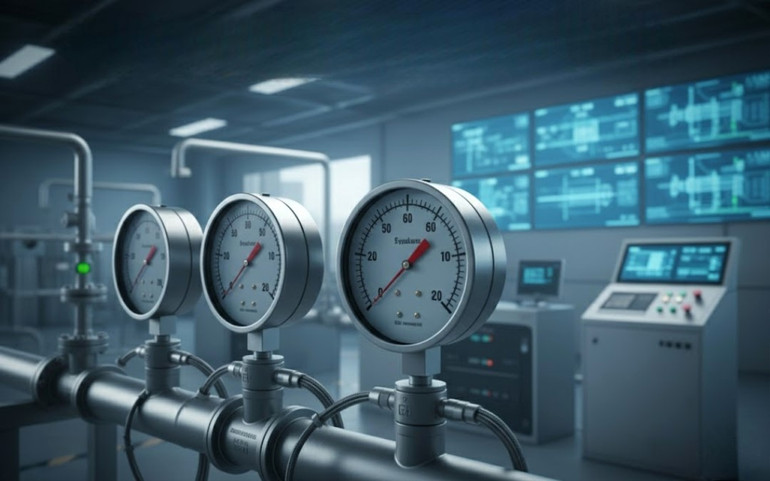
In the world of industrial automation, precision and reliability are key. Every process, from manufacturing to energy production, relies on accurate measurements to maintain efficiency, safety, and productivity. Among the many components that help industries maintain this precision, the analog pressure meter stands out as a simple yet essential device.
What is an Analog Pressure Meter?
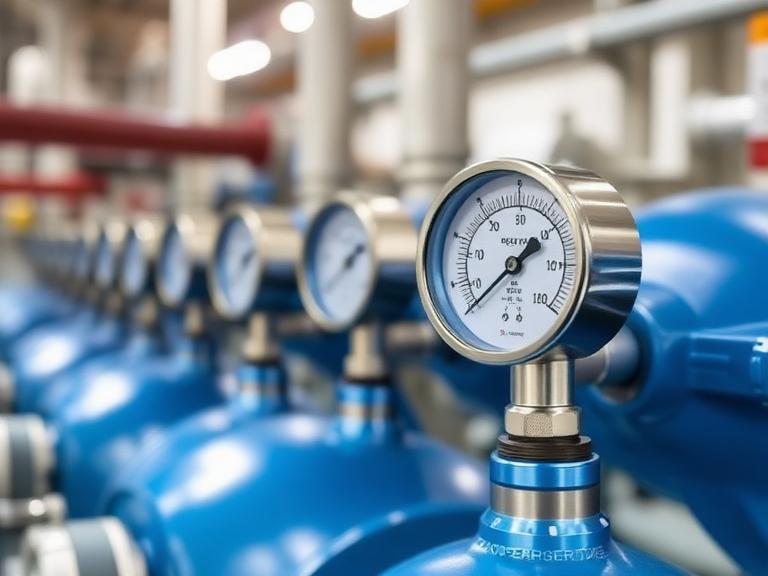
An analog pressure meter is a mechanical device used to measure the pressure of gases or liquids in industrial systems. Unlike digital meters, analog pressure meters provide readings through a dial and pointer system, offering real-time visualization of pressure levels. Despite technological advances in digital instruments, analog pressure meters remain widely used due to their robustness, simplicity, and reliability.
Key Components of an Analog Pressure Meter
- Bourdon Tube or Diaphragm – Converts pressure into mechanical motion.
- Pointer – Displays the pressure on a graduated dial.
- Dial – Marked with pressure units, usually in PSI, bar, or kPa.
- Case and Window – Protects internal components and allows easy reading.
These components work together to provide accurate readings, making analog pressure meters a crucial part of many industrial setups.
Importance of Analog Pressure Meters in Industrial Automation
In industrial automation, processes often run continuously and involve complex machinery. Maintaining consistent pressure levels in systems like compressors, boilers, and pipelines is critical. Here’s why analog pressure meters are important:
- Real-Time Monitoring: Analog pressure meters provide immediate feedback, allowing operators to respond quickly to pressure fluctuations.
- Reliability in Harsh Environments: These meters can operate in extreme temperatures, vibration, and dusty conditions where digital meters may fail.
- Cost-Effective Maintenance: With fewer electronic components, analog meters are less prone to failure and often cheaper to maintain.
- Safety Assurance: Accurate pressure readings prevent equipment damage, leaks, or accidents, ensuring safe industrial operations.
By integrating analog pressure meters into automation systems, industries can maintain stable operations while avoiding costly downtime.
How Analog Pressure Meters Improve Industrial Processes
1. Enhancing Production Efficiency
Maintaining precise pressure levels ensures machinery operates at optimal performance. For example, in a manufacturing plant, consistent pressure in pneumatic systems ensures smooth operation of tools and actuators. Any deviation could lead to slower production or defective products. An analog pressure meter allows operators to monitor these fluctuations instantly, improving overall efficiency.
2. Reducing Equipment Wear and Tear
Industrial machines are designed to operate within specific pressure ranges. Exceeding these limits can cause premature wear or breakdowns. By providing continuous pressure feedback, analog pressure meters help operators prevent overpressure conditions, prolonging equipment life.
3. Ensuring Product Quality
In industries such as pharmaceuticals, food processing, and chemicals, pressure control directly affects product quality. An industrial meter that provides accurate readings ensures that processes like mixing, filling, and sterilization are carried out under optimal conditions, maintaining consistent quality.
4. Supporting Safety Protocols
Pressure-related accidents can have serious consequences. Analog pressure meters play a vital role in safety systems by alerting operators to unsafe pressure levels. This allows preventive action, reducing risks of explosions, leaks, or system failures.
Choosing the Right Analog Pressure Meter for Industrial Applications
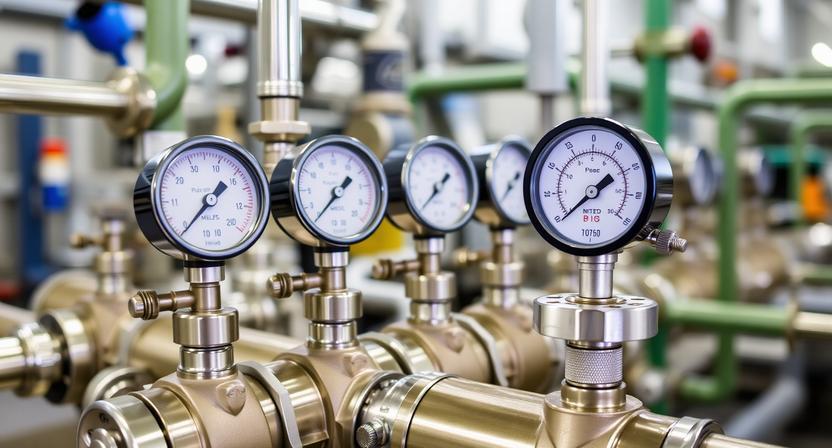
Selecting the right analog pressure meter is crucial for reliable measurements. Consider the following factors:
- Pressure Range – Ensure the meter covers the expected pressure range of your system.
- Accuracy – Choose a meter with accuracy suitable for your application. Most industrial meters have ±1% or ±2% full-scale accuracy.
- Material Compatibility – The meter’s internal components should be compatible with the media (gas, water, chemicals).
- Environmental Resistance – For harsh conditions, select meters with protection against dust, moisture, and vibration.
- Connection Type – Proper connection ensures leak-free installation in pipelines or machinery.
By carefully considering these factors, you can ensure that your analog pressure meter delivers reliable readings for years.
Common Applications of Analog Pressure Meters in Industrial Automation
Analog pressure meters are used in a wide range of industrial applications:
- Pipelines and Fluid Systems – Monitor pressure in water, oil, and gas pipelines.
- Boilers and Steam Systems – Ensure safe operation by controlling steam pressure.
- Hydraulic Systems – Maintain consistent hydraulic pressure in machinery.
- Pneumatic Systems – Regulate air pressure in automated equipment.
- Chemical Processing – Monitor pressure in reactors and storage tanks.
In all these applications, accurate readings are crucial for efficiency, safety, and compliance with industrial standards.
Advantages of Analog Pressure Meters Over Digital Meters
While digital meters offer features like remote monitoring and data logging, analog pressure meters have distinct advantages:
- Simplicity: Easy to read and use without complex setup.
- Durability: Can withstand harsh industrial conditions.
- Instant Feedback: Shows real-time pressure trends visually, helping operators detect rapid changes.
- Low Maintenance: Fewer electronic components mean less risk of failure.
For many industrial applications, these benefits make analog meters the preferred choice.
Maintenance Tips for Analog Pressure Meters
Proper maintenance ensures long-term accuracy and reliability:
- Regular Calibration – Check and calibrate meters periodically to maintain accuracy.
- Visual Inspection – Look for leaks, corrosion, or damage to the dial and pointer.
- Clean the Dial – Dust and grime can affect readability; clean gently.
- Check Connections – Ensure proper installation to avoid leaks or inaccurate readings.
- Protect from Extreme Conditions – Avoid direct exposure to high heat or corrosive chemicals.
Following these tips extends the life of your industrial meter and ensures continuous reliability.
Future of Analog Pressure Meters in Industrial Automation
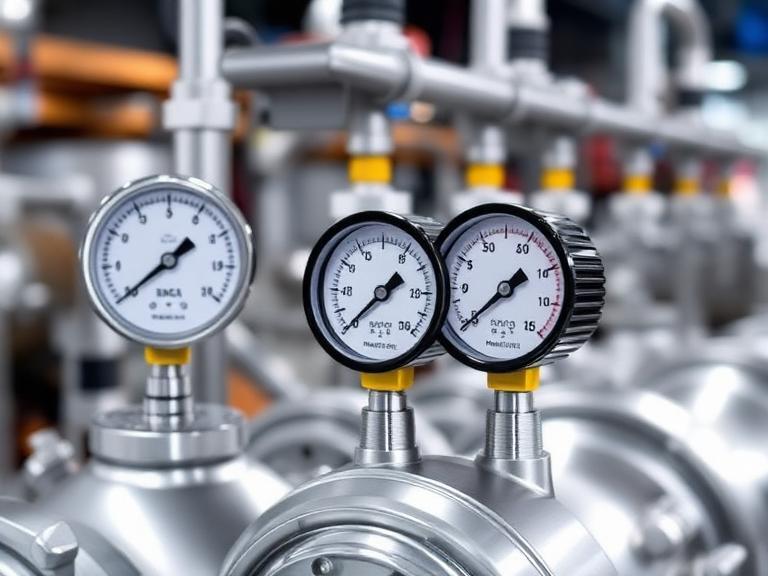
Even as industries adopt advanced digital solutions, analog pressure meters remain relevant. Their simplicity, reliability, and ease of use make them valuable in hybrid systems where both digital and analog readings are beneficial. Many modern automation setups integrate analog meters with digital monitoring systems, combining the strengths of both technologies.
In industrial automation, accurate measurement is the foundation of efficient, safe, and reliable processes. The analog pressure meter, with its simplicity and durability, continues to play a crucial role in monitoring and controlling pressure across various industrial applications. By providing real-time feedback, enhancing safety, and supporting equipment longevity, analog pressure meters help industries achieve smoother operations and higher productivity.
Whether you are managing a manufacturing plant, a chemical processing unit, or an energy system, investing in high-quality analog pressure meters is a smart choice. Alongside proper maintenance and calibration, these meters ensure your industrial processes remain efficient, safe, and reliable.