
Marine automation is the backbone of modern ships and offshore equipment. They ensure smooth operations, safety, and efficiency in complex marine environments. One of the most critical components of these systems is hydraulic filters. Despite being small parts of the overall system, they play a huge role in maintaining performance, preventing breakdowns, and extending the lifespan of marine machinery. In this blog, we will explore the importance of hydraulic filters, how they impact marine automation efficiency, and why proper maintenance is crucial.
What Are Hydraulic Filters?
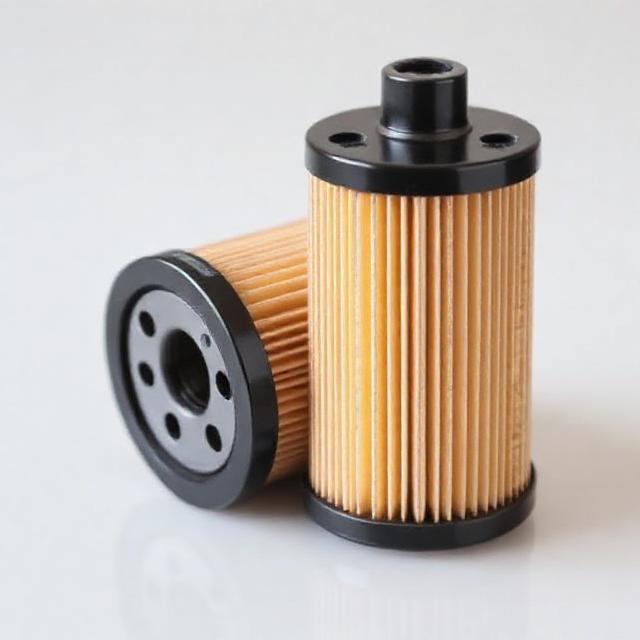
A hydraulic filter is a device designed to remove contaminants from hydraulic fluid. Hydraulic systems rely on fluid to transfer energy, and even tiny particles like metal shavings, dirt, or water can cause serious damage. Hydraulic filters prevent these contaminants from entering pumps, valves, and actuators.
There are several types of hydraulic filters commonly used in marine systems:
- Suction Filters - Installed before the pump to prevent large particles from entering.
- Pressure Filters - Placed after the pump to protect sensitive components.
- Return Line Filters - Capture debris as fluid returns to the reservoir.
- Off-line or Kidney Filters - Operate separately to continuously clean the fluid.
Each type plays a unique role in ensuring smooth and efficient marine operations.
How Hydraulic Filters Affect Marine Automation
Marine automation systems rely heavily on hydraulic components to operate cranes, steering systems, stabilizers, and other critical equipment. When hydraulic fluid is clean and free from contaminants, these systems perform optimally. Dirty fluid can lead to:
- Reduced system efficiency
- Frequent equipment breakdowns
- Increased energy consumption
- Higher maintenance expenses
- Shortened equipment lifespan
By using high-quality marine hydraulic filters, operators can ensure that fluid remains clean and components stay protected. This directly improves the efficiency of marine automation, keeping operations smooth and reliable.
Key Benefits of Using Hydraulic Filters in Marine Systems
1. Protects Hydraulic Components
Hydraulic systems contain many sensitive parts like pumps, valves, and cylinders. Contaminants in the fluid can scratch surfaces, clog valves, and cause premature wear. A reliable hydraulic filter traps these particles before they can damage equipment.
2. Improves System Efficiency
Clean hydraulic fluid flows more smoothly, reducing friction and energy loss. This means marine automation systems respond faster and operate with less effort. For ships and offshore platforms, even small improvements in efficiency can lead to significant fuel savings.
3. Reduces Maintenance Costs
Regularly replacing or cleaning filters is far cheaper than repairing or replacing damaged pumps, motors, or actuators. By preventing contamination, hydraulic filters minimize downtime and reduce expensive maintenance bills.
4. Extends Equipment Lifespan
A well-maintained hydraulic system with proper filtration lasts longer. Components experience less wear and tear, and fluid remains effective over time. This means less frequent replacements and a longer lifespan for your marine automation systems.
5. Ensures Operational Safety
Contaminated hydraulic fluid can cause sudden system failures, which may be dangerous in marine environments. For example, a malfunctioning steering system or crane could lead to accidents. Hydraulic filters help prevent these failures, ensuring safe operations at sea.
Factors to Consider When Choosing Hydraulic Filters
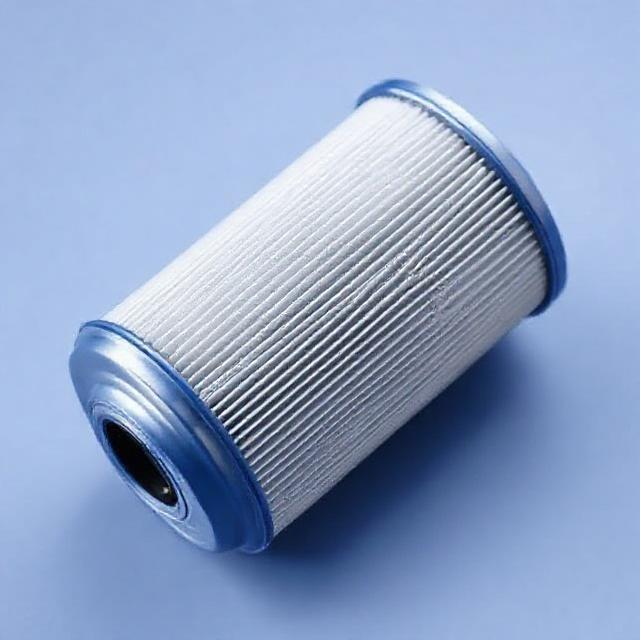
Not all marine hydraulic filters are the same. Choosing the right filter is essential for maximum efficiency and reliability. Consider these factors:
- Filter Rating – Determines the size of particles the filter can remove. Finer ratings remove smaller particles but may reduce flow if not properly sized.
- Flow Rate – Ensure the filter can handle the system’s flow without causing pressure drops.
- Material Quality – Corrosion-resistant materials are preferred in marine environments.
- Maintenance Requirements – Some filters require regular cleaning, while others are disposable.
- Compatibility – Check that the filter is compatible with the type of hydraulic fluid used.
Selecting the correct filter ensures optimal performance and protects your marine automation systems from unnecessary damage.
Common Problems Without Proper Filtration
Failing to use proper hydraulic filters can lead to several issues:
- Clogged Valves and Actuators – Particles can block hydraulic paths, causing slow or failed movements.
- Pump Damage – Contaminants can erode pump surfaces, reducing efficiency and causing leaks.
- Fluid Degradation – Dirt and moisture accelerate fluid breakdown, reducing lubrication and performance.
- Unexpected Downtime – Unplanned failures can halt operations and increase costs.
These problems highlight why hydraulic filters are essential for marine automation efficiency.
Maintaining Hydraulic Filters for Optimal Performance
Even the best filters need proper maintenance. Here are tips for keeping filters in top condition:
- Regular Inspection – Check filters for clogging or damage regularly.
- Timely Replacement – Replace filters according to manufacturer recommendations.
- Monitor Fluid Condition – Clean filters work best with clean hydraulic fluid. Regularly check for contamination.
- Use High-Quality Filters – Low-quality filters may allow contaminants to pass through.
Routine maintenance ensures that hydraulic filters continue to protect the system and maximize marine automation efficiency.
The Role of Advanced Filtration Technologies
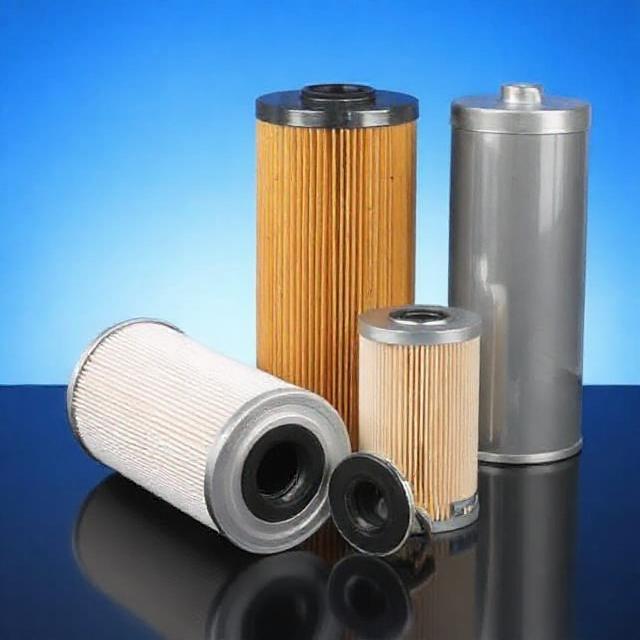
Modern marine systems often use advanced hydraulic filters that go beyond basic particle removal. Some technologies include:
- Magnetic Filters – Capture metallic particles that regular filters might miss.
- Water Removal Filters – Separate water from hydraulic fluid to prevent corrosion and degradation.
- High-Efficiency Filters – Remove extremely fine particles to meet strict operational requirements.
Integrating these filters into marine automation systems can further enhance efficiency, reduce maintenance, and prolong equipment life.
Applications of Hydraulic Filters in Marine Automation
Hydraulic filters are used in various marine automation applications, including:
- Steering Systems – Ensuring smooth and precise control.
- Deck Cranes – Reliable operation under heavy loads.
- Stabilizers and Thrusters – Maintaining vessel stability and maneuverability.
- Winches and Lifting Equipment – Smooth operation in harsh marine environments.
- Propulsion Systems – Preventing damage to hydraulic motors and actuators.
Proper filtration in these systems ensures uninterrupted operations and maximizes performance.
Why Choose High-Quality Marine Hydraulic Filters?
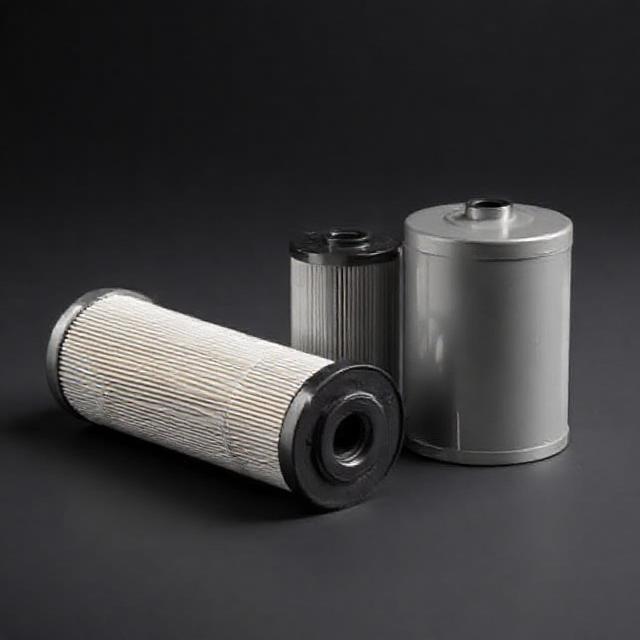
Choosing high-quality marine hydraulic filters is an investment in the efficiency and reliability of your automation systems. Benefits include:
- Long-term protection of critical components
- Reduced risk of unexpected downtime
- Improved operational efficiency
- Lower maintenance and replacement costs
- Enhanced safety for crew and equipment
Hydraulic filters may seem like small components, but their impact on marine automation efficiency is significant. By preventing contamination, protecting critical components, and improving system performance, they ensure reliable, safe, and cost-effective operations. Choosing the right filters, maintaining them properly, and using advanced filtration technologies can maximize efficiency, extend equipment lifespan, and reduce operational costs. For any ship or offshore platform relying on hydraulic systems, prioritizing hydraulic filters is not optional it is essential for smooth, efficient, and safe marine automation.