
In today’s highly competitive and fast-changing industrial world, businesses can no longer rely on manual processes and outdated systems. Customers expect faster delivery, better quality, and lower costs. At the same time, companies must ensure safety, accuracy, and compliance with strict standards. This is where industrial automation solutions play a vital role.
Industrial automation is not just about machines replacing people. It is about using technology to make operations smarter, faster, safer, and more reliable. From manufacturing plants and warehouses to marine vessels and energy facilities, automation has become the backbone of modern industry.
What Are Industrial Automation Solutions?
Industrial automation solutions are systems that use control devices, software, sensors, and machines to perform tasks automatically with minimal human intervention. These systems monitor processes, collect data, make decisions, and control equipment in real time.
Instead of depending on manual labour for repetitive, dangerous, or complex tasks, automation ensures that operations run consistently, efficiently, and safely.
Common Elements of Industrial Automation
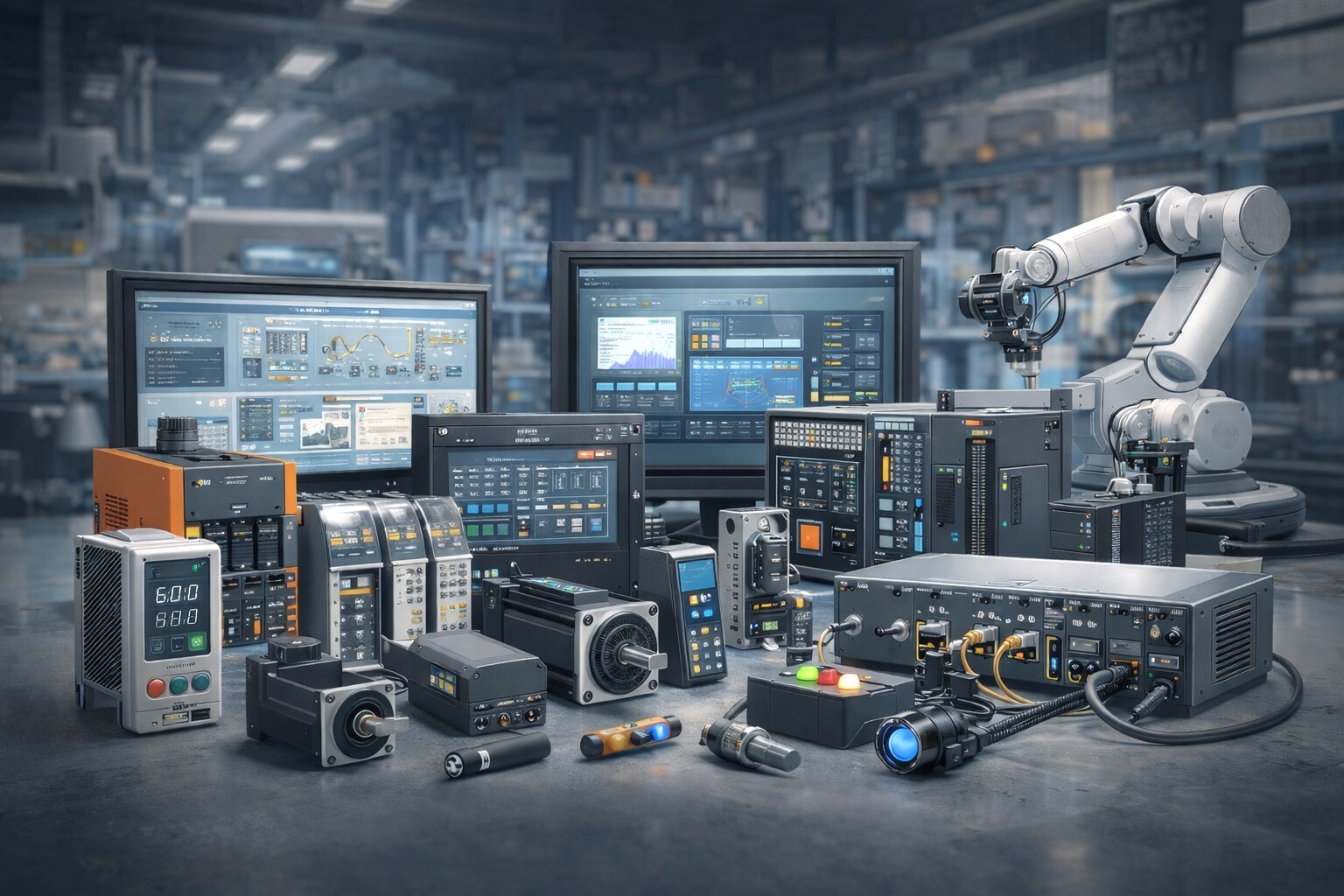
- Sensors and transmitters to measure pressure, temperature, flow, and level
- Controllers such as PLCs (Programmable Logic Controllers)
- Human Machine Interfaces (HMI) for operator interaction
- Drives and motors to control speed and movement
- Valves and actuators to manage flow and motion
- SCADA and software systems for monitoring and control
Together, these components create an intelligent system that can operate 24/7 with high accuracy.
Why Industrial Automation Is a Necessity Today

Automation is no longer optional for industries. It has become a necessity due to several critical reasons.
1. Rising Demand for Speed and Productivity
Markets move fast. Customers expect quick production, shorter lead times, and on-time delivery. Manual processes simply cannot match the speed and consistency of automated systems.
Automation allows:
- Faster production cycles
- Continuous operations without fatigue
- Reduced downtime
2. Need for Higher Accuracy and Quality
Human errors are natural, especially in repetitive tasks. Automation reduces errors by following programmed instructions precisely.
Benefits include:
- Consistent product quality
- Lower rejection and rework rates
- Improved customer satisfaction
3. Safety Concerns in Industrial Environments
Industries often deal with high temperatures, high pressure, heavy machinery, and hazardous materials. Automation reduces human exposure to dangerous environments.
This results in:
- Fewer workplace accidents
- Better compliance with safety regulations
- Safer working conditions
4. Cost Optimization
Although automation requires initial investment, it significantly reduces long-term costs by:
- Lowering labour expenses
- Reducing material waste
- Minimizing equipment damage
Where Industrial Automation Solutions Are Used
Industrial automation is widely used across multiple sectors. Each industry benefits in unique ways, but the core goal remains the same: efficient, safe, and reliable operations.
1. Manufacturing Industry
Automation is the backbone of modern manufacturing.
Applications include:
- Assembly lines
- Packaging and labelling
- Quality inspection
- Machine control
Benefits:
- Higher output
- Uniform product quality
- Reduced production costs
2. Marine and Shipping Industry
In marine environments, automation ensures reliable and safe vessel operations.
Applications include:
- Engine room automation
- Navigation and monitoring systems
- Fuel and ballast control
- Safety and alarm systems
Benefits:
- Reduced crew workload
- Improved fuel efficiency
- Enhanced vessel safety
3. Oil and Gas Industry
Automation is critical in oil and gas due to hazardous conditions.
Applications include:
- Drilling operations
- Pipeline monitoring
- Pressure and flow control
- Emergency shutdown systems
Benefits:
- Improved safety
- Real-time monitoring
- Reduced risk of accidents
4. Power Generation and Energy Sector
Automation supports stable and efficient energy production.
Applications include:
- Power plant control
- Load management
- Grid automation
Benefits:
- Reliable power supply
- Reduced outages
- Optimized energy usage
5. Water and Wastewater Treatment
Automation ensures clean and safe water management.
Applications include:
- Pump control
- Level and flow monitoring
- Treatment process optimization
Benefits:
- Improved water quality
- Lower operational costs
- Regulatory compliance
6. Warehousing and Logistics
Automation improves material handling and inventory management.
Applications include:
- Automated storage systems
- Conveyor systems
- Barcode and RFID tracking
- Order fulfilment
Benefits:
- Faster order processing
- Reduced errors
- Better inventory control
Key Necessities for Implementing Industrial Automation
Before adopting automation, businesses must understand the core necessities required for successful implementation.
1. Clear Process Understanding
You must understand your existing processes before automating them.
Ask questions like:
- Where are delays happening?
- Which tasks are repetitive or risky?
- Which processes need better accuracy?
Automation works best when processes are clearly defined.
2. Reliable Hardware and Components
Automation systems depend on durable and reliable components such as sensors, controllers, and actuators. Quality hardware ensures long service life and minimal breakdowns.
3. Skilled Workforce
Automation does not eliminate jobs; it changes job roles.
You need:
- Trained operators
- Maintenance engineers
- Automation specialists
Skilled people ensure systems run smoothly and issues are resolved quickly.
4. Integration with Existing Systems
Automation should integrate with your current equipment and software. Smooth integration avoids disruptions and maximizes return on investment.
5. Data Collection and Analysis Capability
Modern automation generates valuable data. Businesses must have systems to analyse this data for insights and decision-making.
How Industrial Automation Promotes Business Growth
Automation is not just about efficiency. It is a powerful tool for long-term business growth.
1. Improved Operational Efficiency
Automated systems work faster and more consistently than manual processes. This means higher output with the same or fewer resources.
Efficiency leads to:
- Increased production capacity
- Faster order fulfilment
- Competitive advantage
2. Scalability for Future Expansion
Automation makes it easier to scale operations.
You can:
- Add new machines or lines
- Increase output without major workforce expansion
- Adapt to changing market demands
This flexibility supports sustainable growth.
3. Cost Savings and Better Profit Margins
Automation reduces waste, errors, and downtime. Over time, these savings significantly improve profit margins.
Lower operating costs allow:
-
Competitive pricing
-
Higher reinvestment in innovation
-
Stronger financial stability
4. Enhanced Brand Reputation
Consistent quality and reliable delivery build trust with customers.
Automation helps you:
- Meet quality standards
- Deliver on time
- Maintain product consistency
A strong reputation attracts more customers and long-term contracts.
Making Smarter Business Decisions with Automation
One of the biggest advantages of industrial automation is data-driven decision-making.
1. Real-Time Monitoring
Automation systems provide real-time data on:
- Equipment performance
- Production status
- Energy consumption
Managers can identify issues immediately and take corrective action.
2. Predictive Maintenance
Instead of waiting for equipment to fail, automation enables predictive maintenance.
Benefits include:
- Reduced unexpected downtime
- Lower maintenance costs
- Longer equipment life
3. Better Resource Management
Automation helps optimize:
- Energy usage
- Raw material consumption
- Labor allocation
This leads to smarter planning and reduced waste.
4. Improved Strategic Planning
With accurate data and performance insights, businesses can:
- Forecast demand
- Plan expansions
- Invest wisely in new technologies
Automation turns raw data into valuable business intelligence.
Smarter, Faster, and Safer Operations Explained
1. Smarter Operations
Automation systems think logically based on programmed rules and real-time inputs. They reduce guesswork and ensure decisions are based on accurate data.
2. Faster Operations
Machines do not get tired. Automated systems operate continuously at high speed, improving productivity and reducing lead times.
3. Safer Operations
By reducing human involvement in hazardous tasks, automation significantly improves workplace safety and compliance.
- Industrial automation solutions are transforming the way industries operate. They enable smarter decisions, faster processes, and safer working environments. From manufacturing and marine operations to energy and logistics, automation delivers efficiency, accuracy, and long-term growth.
- Automation is not just a technological upgrade; it is a strategic move toward sustainable success. In a world where speed, safety, and smart decisions define success, industrial automation is the key to staying ahead.