

In modern industries, maintaining smooth, safe, and efficient operations depends heavily on accurate monitoring systems. One of the most important tools used in process control today is the industrial pressure sensor. These sensors play a key role in helping industries measure pressure levels inside machines, pipelines, vessels, and various industrial equipment. By sending real-time data to control systems, they ensure that every process runs under the right conditions.
From manufacturing and oil refineries to food processing and marine automation, pressure sensors help industries maintain quality, reduce downtime, and protect both machines and workers. This blog explains the role of industrial pressure sensors in process control.
Pressure Sensors and Their Role in Process Control
A pressure sensor is a device that measures the amount of pressure in liquids, gases, or steam. In industrial automation, pressure levels often decide how a machine behaves. For example, the temperature of a boiler, the speed of a pump, or the efficiency of a compressor all depend on pressure readings.
A small variation in pressure can impact product quality, system performance, or even safety. That is why industries rely on accurate industrial sensors that can measure and send pressure data instantly. These sensors have become essential parts of modern control systems, supporting fully automated operations.
Why Pressure Matters in Industrial Systems
Pressure is one of the most monitored physical parameters in industries. Whether it is hydraulic pressure in heavy machinery or air pressure in pneumatic systems, maintaining the right level ensures:
- Safe operation
- High product quality
- Energy-efficient performance
- Longer equipment life
- Reduced risk of equipment failure
Because the consequences of incorrect pressure can be severe, the use of a reliable industrial sensor becomes crucial for every operation.
What Is an Industrial Pressure Sensor?
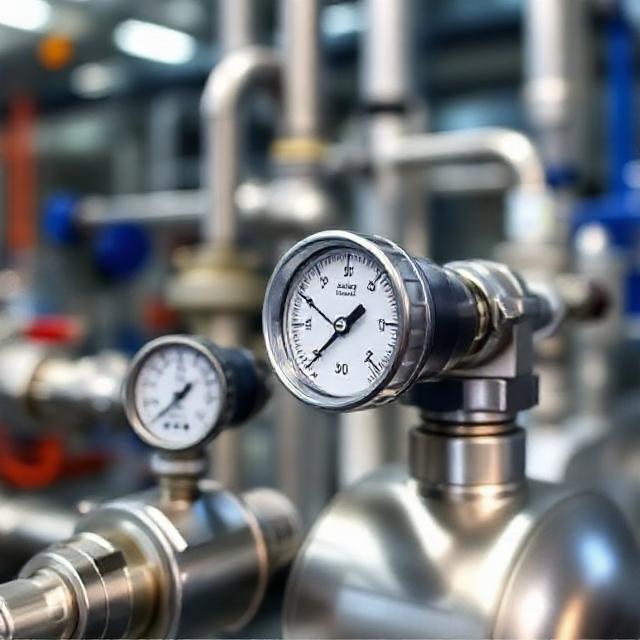
An industrial pressure sensor is a type of industrial sensor designed to measure pressure and convert it into an electrical signal that a control system can read. The signal is then used by controllers, PLCs, or automation software to make decisions. These decisions may include switching off a machine, activating a pump, opening a valve, or sending an alert to operators.
Industrial pressure sensors are built to handle harsh environments. They can operate in:
- High temperatures
- High vibration areas
- Corrosive environments
- High-pressure conditions
- Wet or dusty surroundings
This makes them suitable for a wide range of industrial equipment in factories, refineries, marine systems, and power plants.
How Pressure Sensors Support Process Control
Process control refers to managing and regulating industrial operations to achieve consistent, predictable results. Industrial pressure sensors play a vital role in making this possible.
1. Real-Time Monitoring
Pressure sensors constantly track pressure levels and send data to the control system. Real-time monitoring helps detect abnormalities early and prevents sudden breakdowns. If pressure goes beyond a safe range, the system can shut down equipment to avoid accidents.
2. Improving System Accuracy
Accurate measurements ensure that industrial equipment works within the correct limits. Whether it is a filling machine in a food factory or a steam boiler in a power plant, pressure accuracy directly affects performance and product quality.
3. Supporting Automated Decision-Making
In industrial automation, machines make decisions based on sensor signals. Pressure sensors send the information needed for:
- Opening and closing valves
- Starting pumps
- Adjusting flow rates
- Managing temperatures
- Activating safety alarms
This reduces human error and increases efficiency.
4. Enhancing Safety in Industrial Operations
Safety is one of the biggest reasons why industries use pressure sensors. Overpressure can lead to:
- Pipeline bursts
- Boiler explosions
- Equipment damage
- Environmental hazards
Industrial pressure sensors act as the first line of defense by providing early warnings and enabling automatic safety responses.
5. Supporting Predictive Maintenance
When pressure values change unexpectedly, it can indicate problems like leaks, clogs, or equipment wear. By tracking pressure trends, industries can predict failures before they happen. Predictive maintenance reduces downtime and saves repair costs.
Types of Industrial Pressure Sensors Used in Process Control
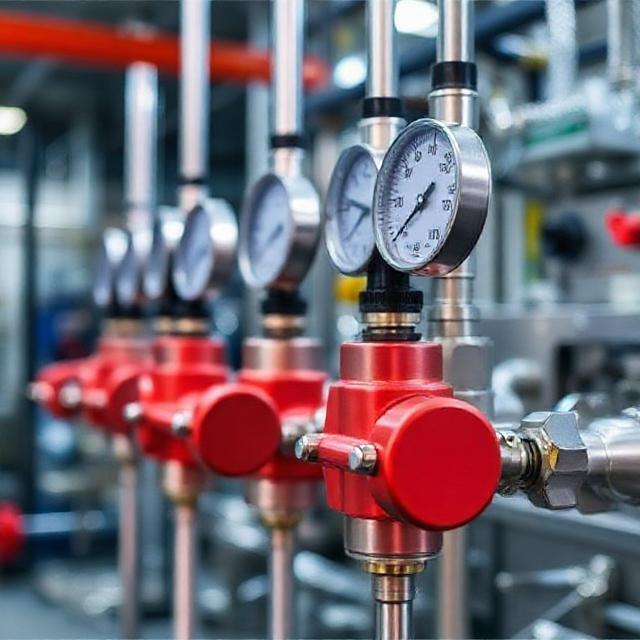
Different industries use different types of pressure sensors depending on the application. Here are the most common ones:
1. Gauge Pressure Sensors
These sensors measure pressure relative to atmospheric pressure. They are used in applications like water pumps, compressors, and filtration systems.
2. Absolute Pressure Sensors
These measure pressure relative to a perfect vacuum. They are often used in chemical processing, research, and sensitive industrial processes.
3. Differential Pressure Sensors
These sensors measure the difference between two pressure points. They are widely used in:
- Airflow monitoring
- Filter monitoring
- HVAC systems
- Flow measurement
- Sealed Pressure Sensors
Similar to gauge sensors but sealed with a fixed internal reference. These are used in environments where atmospheric conditions vary significantly.
Applications of Pressure Sensors in Process Control
Industrial pressure sensors are used in almost every industry. Below are some major applications.
1. Manufacturing Industry
Manufacturing plants use pressure sensors in:
- Hydraulic presses
- Injection molding machines
- Pneumatic tools
- Packaging systems
These sensors help control force, maintain consistency, and reduce waste.
2. Oil and Gas
In oil and gas operations, pressure monitoring is essential for handling:
- Pipelines
- Pumps
- Drilling operations
- Gas compressors
Industrial sensors help prevent leaks, explosions, and system failures.
3. Food and Beverage
Pressure sensors maintain hygiene and product quality during:
- Sterilization processes
- Mixing and blending
- Packaging
- Water treatment
4. Marine Automation
In ships and offshore platforms, pressure sensors monitor:
- Fuel systems
- Ballast water tanks
- HVAC systems
- Engine performance
They ensure safe and stable marine operations.
5. Power Generation
Power plants rely on pressure sensors in:
- Boilers
- Turbines
- Steam lines
- Cooling systems
Accurate readings help maintain safe operating conditions and energy efficiency.
Benefits of Using Industrial Pressure Sensors in Process Control
Using pressure sensors provides many advantages that support both productivity and safety.
1. Higher Efficiency
Pressure sensors optimize how machines use energy. By keeping pressure at the right level, processes run smoothly with less energy waste.
2. Improved Product Quality
Many products depend on stable pressure during production. Pressure sensors ensure:
- Correct filling levels
- Smooth material flow
- Balanced mixing
- Accurate packaging
3. Reduced Operational Costs
Real-time pressure monitoring prevents expensive breakdowns and downtime. It also reduces repair and maintenance costs.
4. Better Safety for Workers and Equipment
By providing early warnings and automated responses, pressure sensors help avoid accidents and protect industrial equipment.
5. Seamless Integration With Industrial Automation
Modern pressure sensors can connect with PLCs, SCADA systems, and IoT platforms. They support advanced automation by enabling smarter decision-making.
6. Longer Equipment Life
Maintaining stable pressure reduces wear and tear on machines. This results in longer equipment life and better performance.
How Pressure Sensors Improve Industrial Automation
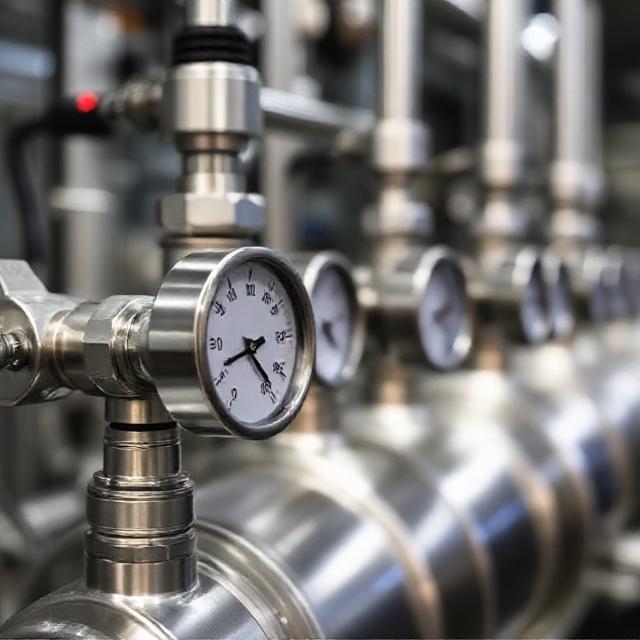
Industrial automation depends strongly on data provided by sensors. Pressure sensors supply the information needed for automatic control, remote monitoring, and predictive maintenance.
Here’s how pressure sensors strengthen industrial automation:
- They allow continuous monitoring without human intervention.
- They help machines adjust themselves automatically.
- They support centralized control of multiple processes.
- They increase the speed and accuracy of industrial operations.
- They enable smart factories and digital transformation strategies.
A reliable industrial sensor system is essential for modern automated plants.
Selecting the Right Industrial Pressure Sensor
Choosing the correct sensor depends on the application. Industries should consider:
- Type of pressure to be measured
- Operating temperature range
- Expected pressure levels
- Compatibility with control systems
- Material of the sensor body
- Environmental conditions
- Maintenance requirements
Selecting the right industrial sensor improves reliability and reduces long-term costs.
Future Trends of Pressure Sensors in Process Control
Pressure sensors continue to evolve with advancements in technology. Some key future trends include:
1. Smart Sensors
- These sensors have built-in electronics for self-calibration, fault detection, and wireless communication.
2. IoT Integration
- Industrial IoT systems use pressure sensors to track performance and send data to cloud platforms.
3. Miniaturization
- Smaller sensors offer the same accuracy with reduced weight and size, ideal for compact industrial equipment.
4. Energy-Efficient Sensors
- Low-power sensors help reduce energy consumption in large-scale industrial automation systems.
Industrial pressure sensors are essential components in process control. They help industries maintain safety, improve efficiency, and achieve consistent product quality. Whether in manufacturing, power generation, oil and gas, or marine automation, these sensors support the smooth operation of industrial equipment. As industrial automation continues to grow, pressure sensors will play an even stronger role in helping businesses run smarter and safer.
A reliable industrial sensor system is the backbone of modern process control. With accurate data, automated systems can make the right decisions, reduce downtime, and create a safer working environment. For any industry aiming for improved performance and long-term reliability, investing in high-quality pressure sensors is a smart and necessary choice.